
Incense Sector
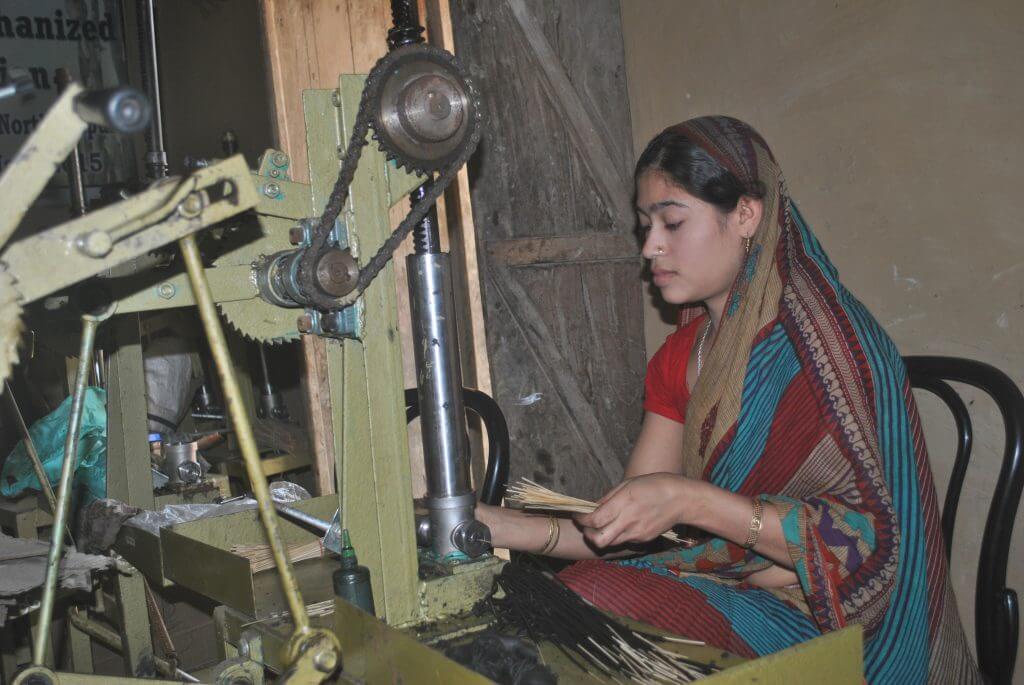
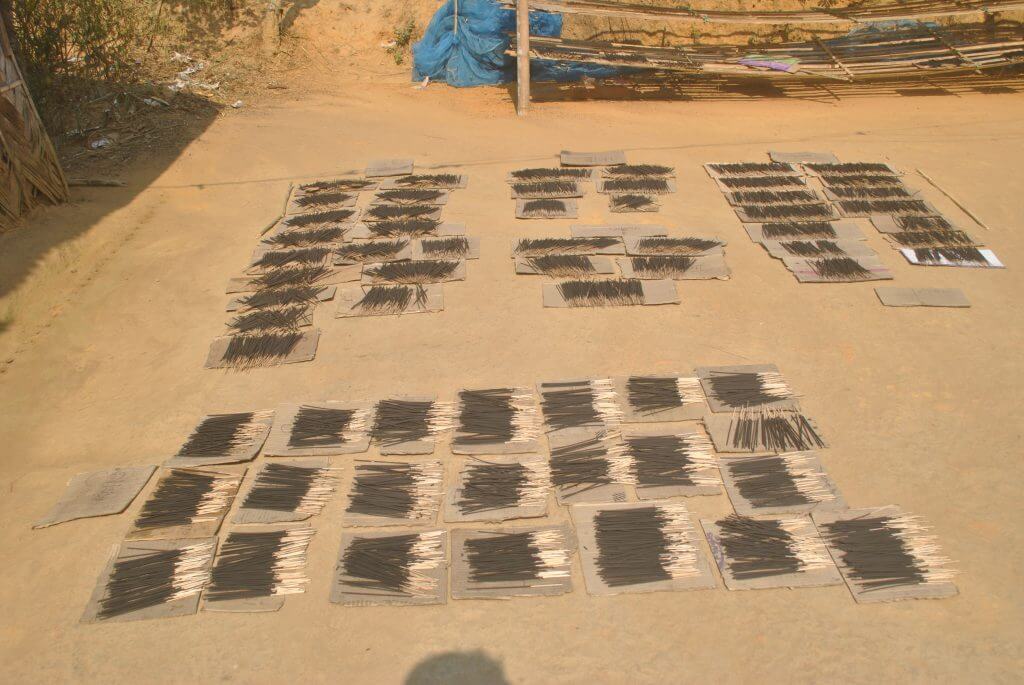
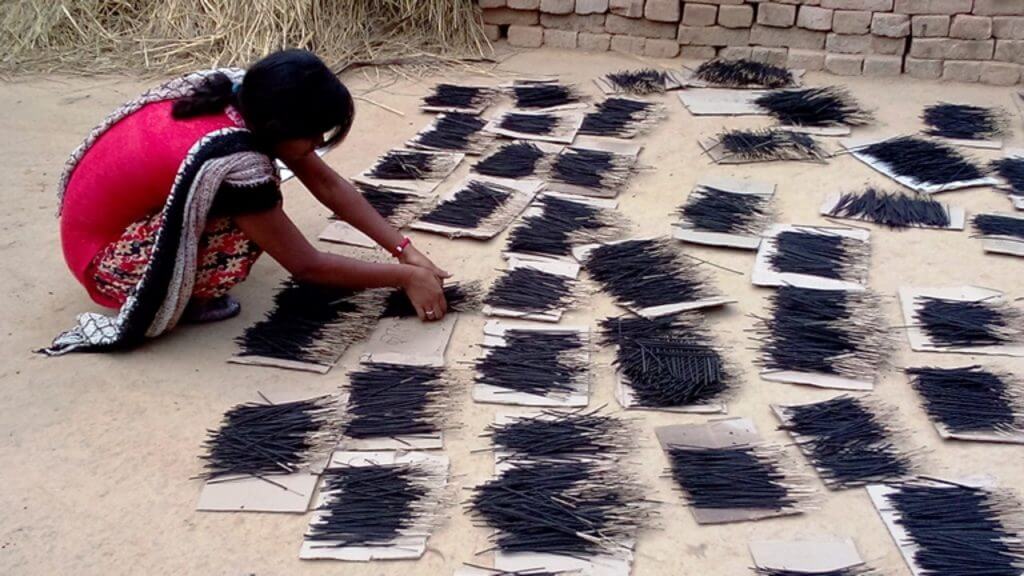
Incense sector occupies a very important role in the development of bamboo sector in the state. It is estimated that this sector alone employs over 2 Lakhs rural artisans and generates revenue over 88 crores (as per 2013-14) estimate. Tripura Bamboo Mission has been working in various clusters across the state to bring a paradigm change in the Agarbatti Stick sector by encouraging artisans to produce higher value fibreless polished stick from non-polished fibrous stick through mobilization of artisans, forming artisans owned enterprises, providing required training, infrastructure support and market linkages etc.
The higher levels value additions in incense sector such as Raw Agarbatti production and Perfuming & Packaging are also the integral part of TBM strategy. Appropriate rural technology has also been introduced in the clusters to improve the productivity of the poor engaged in the sector and improve their earning opportunities. New local producer groups and enterprises have been promoted in raw Agarbatti production which generates livelihood support to large number of rural poor communities especially the women and minorities. Marketing tie-ups with Agarbatti major like ITC and CYCLE have been forged to ensure buy-back of the production.
SPECIFICATION OF INCENSE PRODUCED IN TRIPURA
| PARTICULARS | COUNT/KG | DESCRIPTION |
|---|---|---|
| SM- Hand Polished (8") | 4000 to 4200 | Length 8" (203 mm+-) Square 1.2mm to 1.5 mm Moisture Content 10% 5% outer screen (Green) Fibre contents 2-5% |
| SM- Hand Polished (9"+) | 2800 to 3200 | Length 9" (228 mm+-) Square 1.2mm to 1.5 mm Moisture Content 10% 5% outer screen (Green) Fibre contents 2-5% |
| Hand Rolled Agarbatti (8"+) | 1600 – 1800 | Length 8" (203 mm) Moisture Content 0% No burning Problems No fibre content 10% - 15% oil consumption |
| Hand Rolled Agarbatti (9"+) | 900 – 1100 | Length 9" (228 mm) Moisture Content 0% No burning Problems No fibre content 10% - 15% oil consumption |
| Machine Rolled Extruded Agarbatti (8"+) | 1150+ | Length 8" (203 mm) Moisture Content 0% No burning Problems No fibre content 10% - 15% oil consumption |
| Machine Rolled Extruded Agarbatti (9"+) | 1050+ | Length 9" (228 mm) Moisture Content 0% No burning Problems No fibre content 10% - 15% oil consumption |
Handicrafts & Furniture
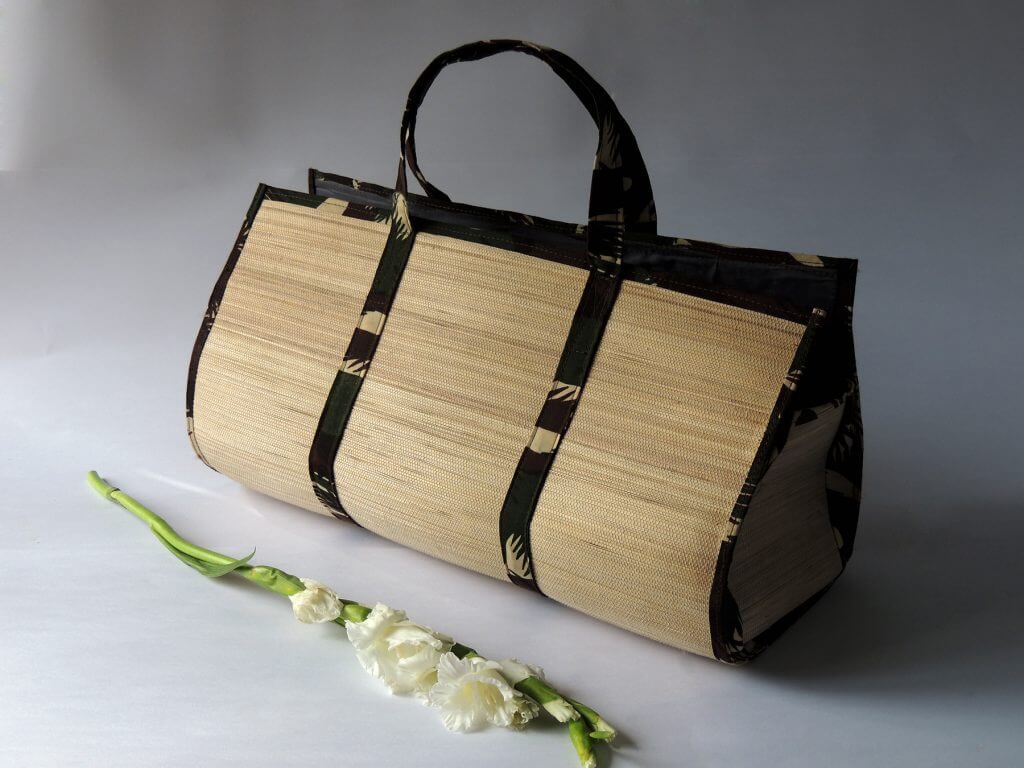
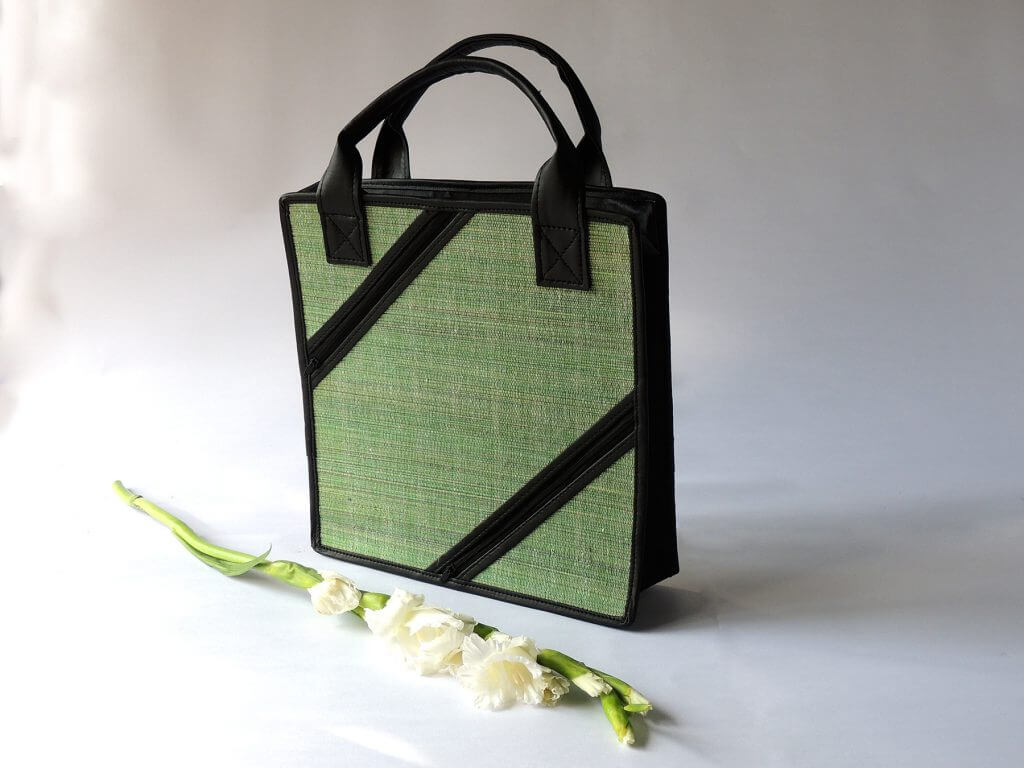
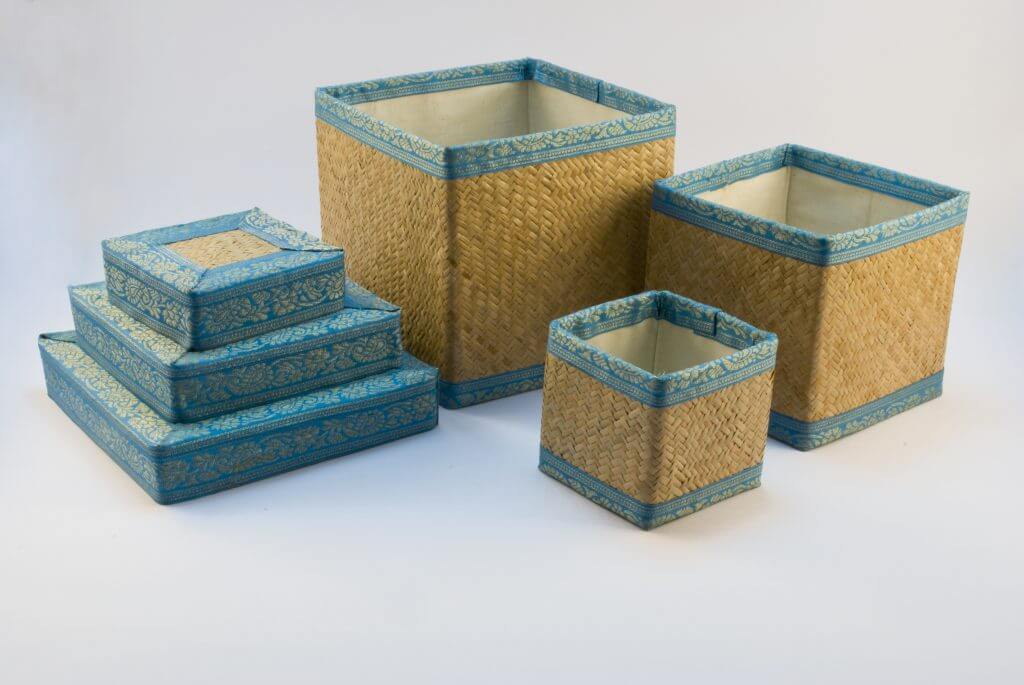
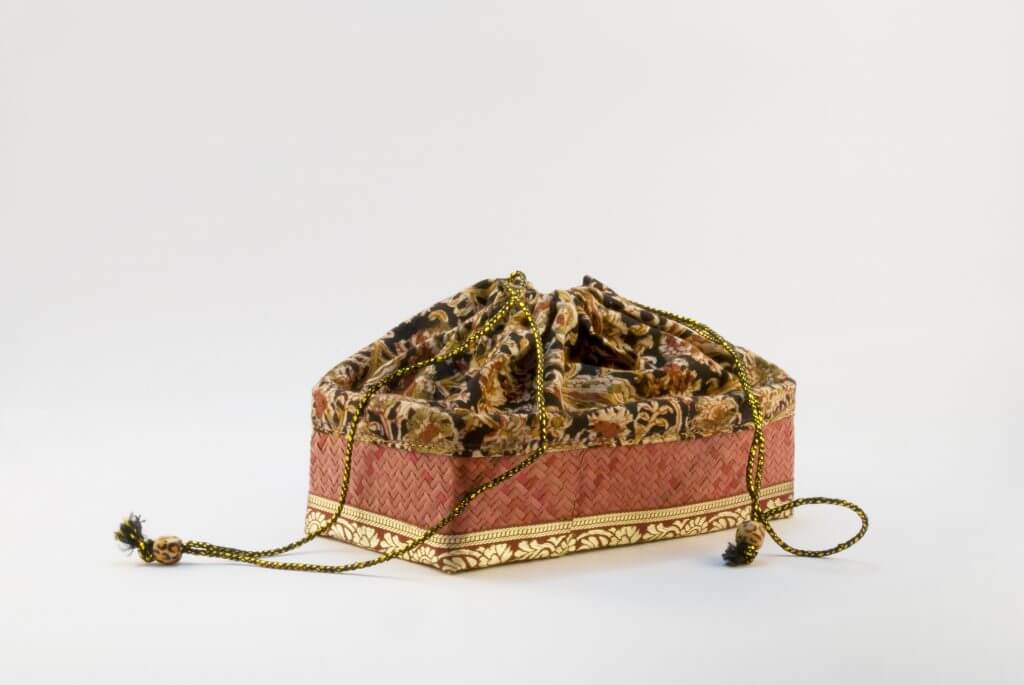
The bamboo handicrafts of Tripura are well known all over the country for their high skill and dexterity levels of the artisans. It is estimated that the bamboo handicrafts sector alone employs nearly 20,000 people in the state. It is well known that handicraft and artisan skills are significant rural livelihood providers in Tripura and are ranked as the second tier largest rural income provider after agriculture. The sector is important also from the point of view of low capital investment, high ratio of value addition and a high multiplicity multiplier especially for Tribal women, and weaker sections of the society.
Bamboo handicrafts form a sizable part of the rural economy in the state. Tripura Bamboo Mission through technical development of the artisans and producers organized manner. Handicrafts sector in Tripura has been sub-divided into 5 subsectors - bamboo furniture, bamboo baskets, loom-mat based products, turning & cutting products, decorative and furniture etc. The key focus of TBM has been to generate sustainable livelihoods for bamboo-handicraft artisans by enabling them to build their own institutions and production centres and by building their capacities and skill levels. The bamboo-handicrafts and furniture sector has faced stiff competition from bamboo products from Thailand, China and other South East Asian countries. TBM has concentrated in addressing the quality and design problems and promoted the production of higher value added products. A sustained handholding over a 5 – 7 year period will be required to assure the long-term viability of the sector.
Bamboo Plantation
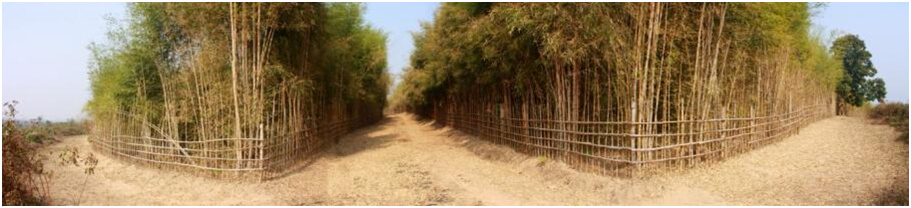
Resource is the backbone of the bamboo based activities of the state. Under the TBM resource generation program, the focus has been to address the resource requirement of the various livelihood projects and also address the Government requirements of bamboo as a commercial crop in the state. The scope of bamboo plantation has to go beyond forest plantation to non-forest areas and be compared to existing plantations and also to realize the need for species diversification.
Of late, Government has taken a bold step and has been decisive to propagate bamboo plantation in large scale. The issue of shortage of bamboo was widely accepted by the Government and it was decided to adopt a project approach in development and creation of bamboo plantation in the state both in the forest lands and also include commercial livelihood plantation for the poor engaged in livelihood activities in the state indicated that 50,000 ha will have to be brought under commercial and scientific plantation to bridge the deficit. As scientific plantation is new in the state, it was decided that a pilot project to be launched by TBM in 5,000 Ha for a period of 5 years. While Forest department will continue its activity, the target for TBM was placed at 5,000 Ha in non-forest / Govt. / Forest land.